18-Year-Old Train Drivers: What the New UK Rules Mean
Discover why 18-year-old train drivers are now allowed in the UK, how the role compares with driving cars and flying planes, and why safety standards remain as strict as ever.

Railway Competence Group
Ofqual-regulated awarding organisation (RN6118) and Rail assessment specialist
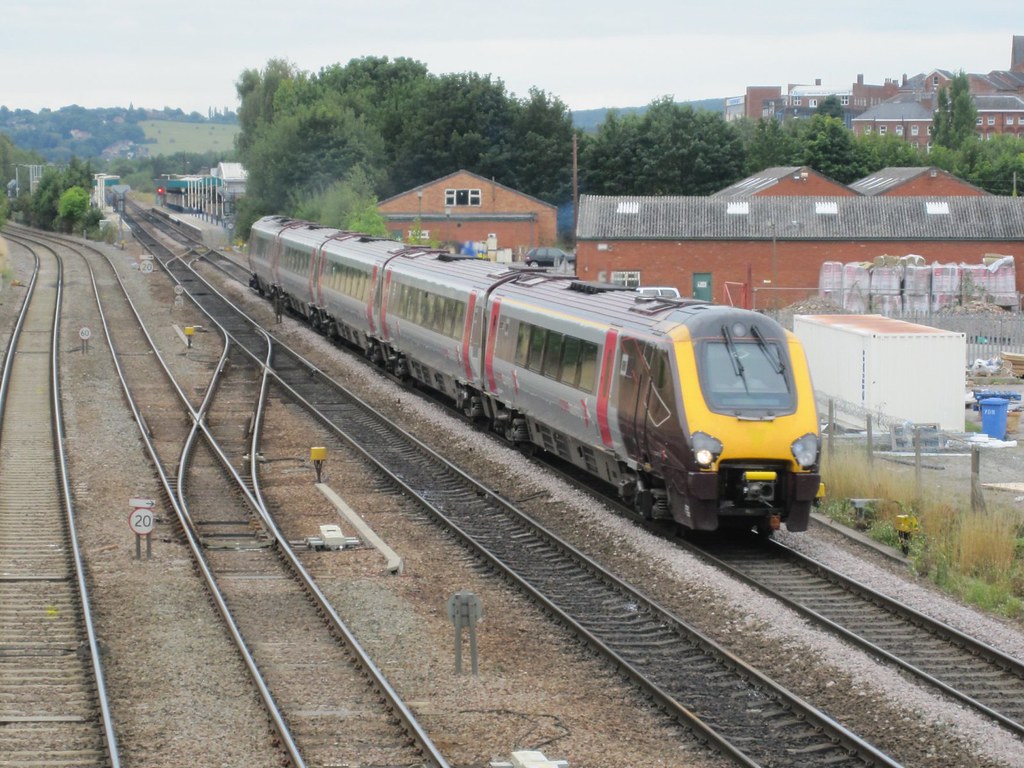
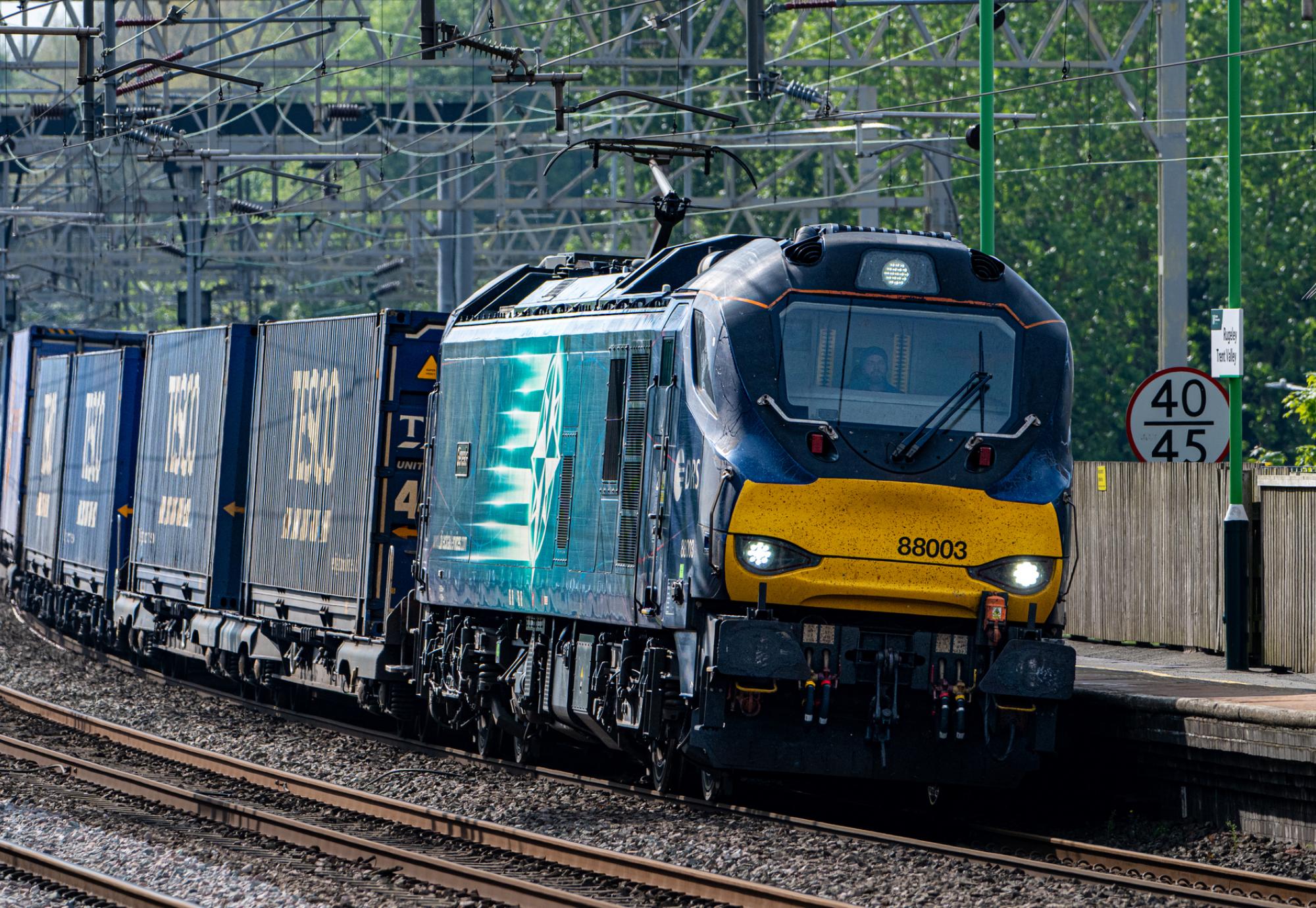
The railway industry is changing, and one of the biggest developments is that 18-year-old train drivers can now begin their careers earlier than before. The move aims to tackle driver shortages, create new career opportunities, and attract younger talent into one of the UK's most essential industries.
But why is this significant? And how does becoming a train driver at 18 compare to driving a car or even flying a plane?
What has changed?
Previously, aspiring train drivers in the UK generally had to wait until they were 20 before beginning their careers. The minimum age has now been reduced to 18, allowing school and college leavers to move directly into railway training rather than waiting for two years.
This brings the rail industry more in line with many other professions where young adults can begin skilled careers immediately after education.
Can an 18-year-old train driver really handle the responsibility?
It's a fair question. Train drivers are responsible for hundreds of passengers and operate vehicles weighing hundreds of tonnes at high speeds.
However, age is only one part of the equation. Every 18-year-old train driver must complete extensive training, pass rigorous medical examinations, demonstrate exceptional concentration, and successfully complete assessments before being allowed to operate trains independently.
The standards remain exactly the same. The only difference is that candidates can now begin their journey two years earlier.
Comparing train drivers to car drivers
Many people forget that an 18-year-old has often already been driving on public roads for at least a year. Driving a car arguably involves far more unpredictable situations: pedestrians, cyclists, other motorists, changing road layouts, weather conditions and split-second decision making.
Train drivers, by comparison, operate on dedicated railway infrastructure with advanced signalling systems, strict operating procedures and continuous communication with rail control. That doesn't make train driving easy — it simply means the risks are managed differently through training, technology and strict operational rules.
What about pilots?
Commercial airline pilots carry enormous responsibility, yet many begin flight training in their late teens. In the UK, individuals can start pilot training from the age of 18, and many professional pilots begin building flying experience immediately after school or college before progressing into airline careers.
Like rail, aviation relies on comprehensive training, simulator assessments, regular medical checks and ongoing competency testing rather than age alone. Both professions demonstrate that capability comes from rigorous preparation, not simply reaching a particular birthday.
Why the railway industry needs younger drivers
The UK rail network faces an ageing workforce, with many experienced drivers approaching retirement. Allowing 18-year-old train drivers into the profession helps create a stronger pipeline of skilled employees while giving young people access to a well-paid, respected career much earlier.
The benefits include reducing future driver shortages, creating apprenticeships and career opportunities, retaining young talent within the transport sector, and supporting long-term railway resilience.
Safety standards remain unchanged
One misconception is that lowering the age requirement means lowering standards. That isn't the case. Every applicant must still pass medical and eyesight examinations, psychometric assessments, safety-critical training, route learning, practical driving assessments and ongoing competency monitoring. Only candidates who meet every safety requirement will qualify to become train drivers.
A positive step for the future
The introduction of 18-year-old train drivers reflects how modern industries are evolving. Just as young adults can drive cars, begin pilot training and enter other safety-critical professions through structured education and assessment, the railway industry is recognising that age alone is not the best measure of ability.
With robust training, strict safety standards and continuous monitoring, talented young people can develop into highly skilled train drivers while helping secure the future of Britain's railways. For many school leavers, becoming an 18-year-old train driver is no longer a distant ambition — it is now a realistic career path that can begin straight after education.