Chiltern Railways brought into public ownership
Chiltern Railways, privatised in 1996, has become the sixth operator nationalised by the Government, with 25 extra daily services and 10,000 more weekday seats promised from December.

Railway Competence Group
Ofqual-regulated awarding organisation (RN6118) and Rail assessment specialist
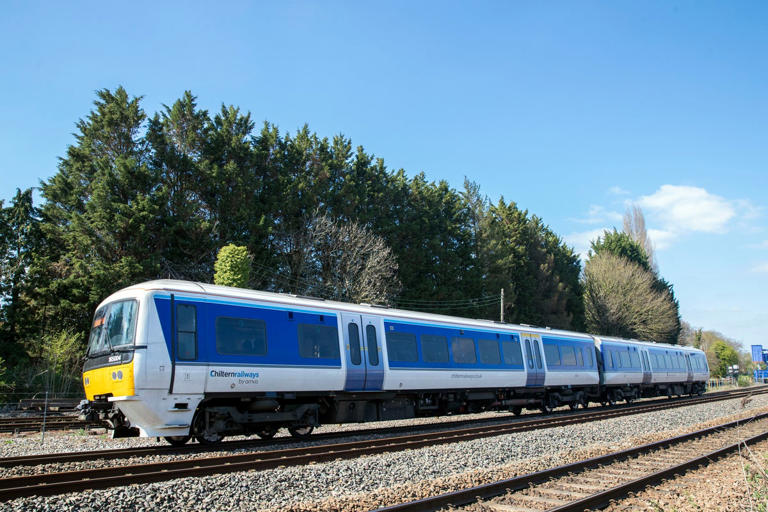
Chiltern Railways transferred into public ownership on Sunday, becoming the sixth train operator nationalised by the Government. The operator, privatised in 1996, runs services between London Marylebone, Buckinghamshire, Oxfordshire and the West Midlands.
More services from December
The Department for Transport has confirmed that 25 additional daily Chiltern Railways services will be introduced from December to tackle overcrowding, delivering around 10,000 extra seats each weekday. The plan includes half-hourly weekday trains on the Chiltern main line between London and Birmingham, plus more weekend journeys.
Rail minister Lord Hendy said: "Every transfer into public ownership gives us the chance to tackle the bread-and-butter issues people care about - more frequent, comfortable trains that turn up on time. As we set up Great British Railways, we are putting passengers first."
He added: "It will not happen overnight, but we will build a railway the country can trust and rely on and that will create growth, jobs and homes."
Where Chiltern sits in the transition
Govia Thameslink Railway, c2c, Greater Anglia, South Western Railway and West Midlands Trains have already moved into public ownership. Great Western Railway is scheduled to follow on 13 December. LNER, Northern, Southeastern and TransPennine Express were nationalised before the current Government took office.
Once established, Great British Railways will bring responsibility for track and trains together under a single public body for the first time since the mid-1990s privatisation, with the legislation required set out in the recent King's Speech.
A busy first day
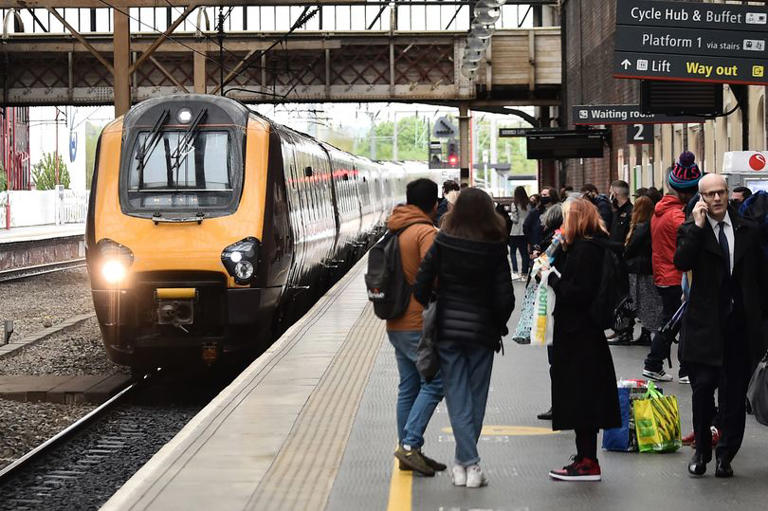
The first day under state control saw minor disruption. Lines towards Oxford and London Marylebone were temporarily blocked on Sunday morning after engineering work near Bicester Village overran. A late-notice closure of the West Coast Main Line at London Euston also pushed extra passengers onto the Chiltern main line, with additional Birmingham to London Marylebone trains run at enhanced capacity and queuing systems in place at Marylebone and Birmingham Moor Street. Rail replacement buses covered some routes, with no trains between Amersham and Aylesbury Vale Parkway all day.
What it means for recruitment and assessment
More services mean more traincrew. Extra diagrams have to be resourced, and every new train driver must pass psychometric assessment before training begins. As operators move into public ownership and towards Great British Railways, recruitment and assessment practice is being standardised across the network.
For candidates, the route in is unchanged: the TDLCR psychometric tests remain the gateway to a driving career, and results are accepted by train and freight operating companies for five years.