Great British Railways Sets 40% Rail Freight Growth Target by 2040
The Government has placed freight at the heart of Great British Railways, with a target to grow rail freight volumes by at least 40% by 2040 and 75% by 2050.

Railway Competence Group
Ofqual-regulated awarding organisation (RN6118) and Rail assessment specialist
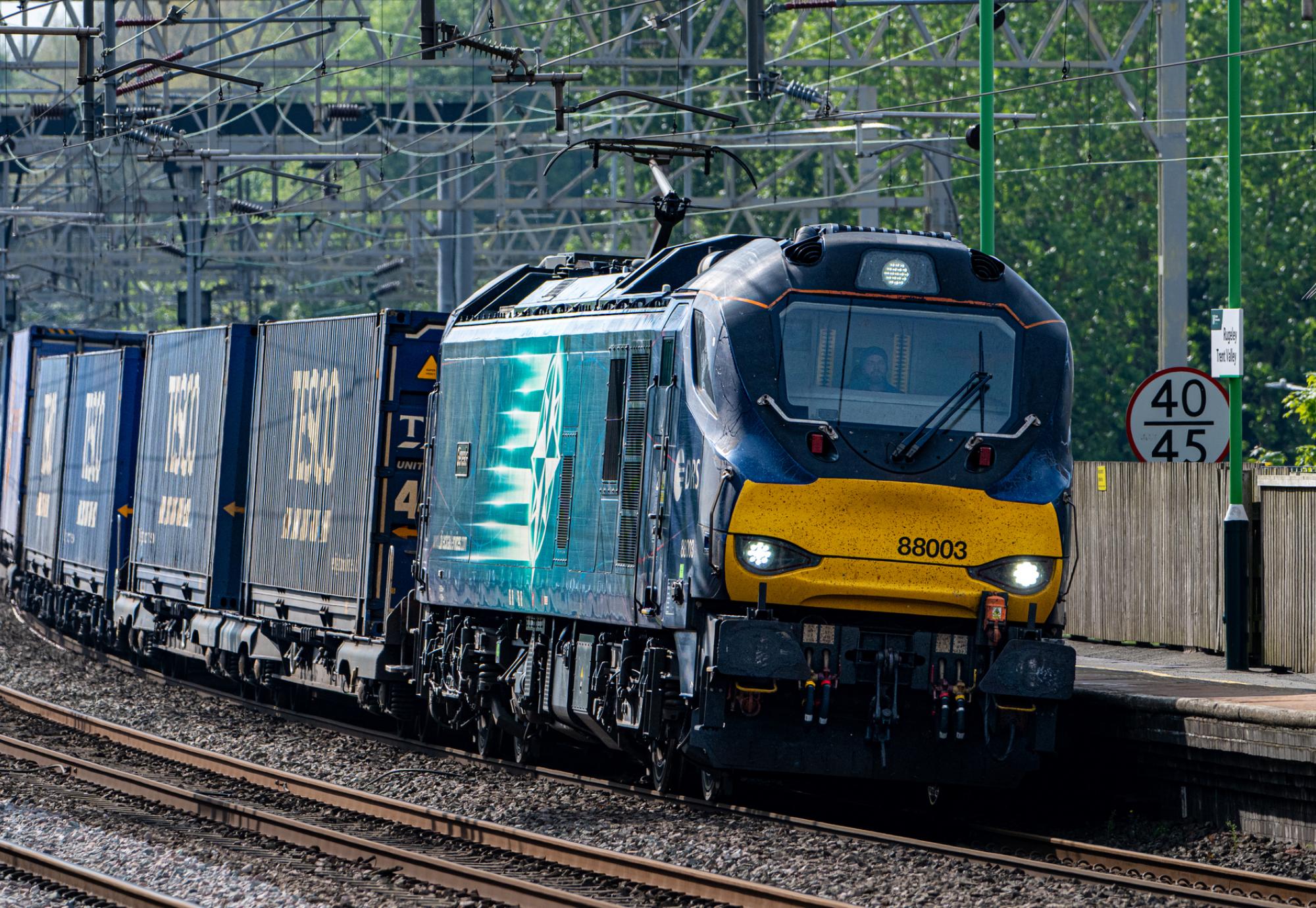
The Government has unveiled a new rail freight growth strategy that puts freight at the heart of Great British Railways (GBR), setting a target to increase rail freight volumes by at least 40% by 2040.
Announced on Tuesday 8 September 2026, the target is the first milestone towards a longer-term ambition of growing rail freight by at least 75% by 2050. Ministers say the commitment will give investors certainty, strengthen supply chains and support economic growth across Britain.
What the target means for the economy
Rail freight already contributes almost £34 billion a year to the UK economy. Meeting the new 2040 target could add a further £15 billion in economic value, allowing businesses to move more goods efficiently while easing pressure on the road network.
The announcement comes as the Railways Bill reaches its Committee Stage in the House of Lords. The legislation will formally establish Great British Railways and give it new responsibilities for supporting freight growth.
Construction and manufacturing set to benefit
The Government expects construction and manufacturing to gain the most. A single freight train can carry enough materials to build around 30 homes, and Network Rail estimates the new targets could lift the movement of construction materials by 45%. Transport of consumer and industrial goods, including cars, wine, white goods and medicines, could grow by around two thirds.
There are environmental gains too. Government estimates suggest meeting the target could remove large numbers of lorry journeys from the roads and save up to one million tonnes of carbon dioxide each year compared with moving the same goods by road.
Freight built into the structure of GBR
Under the Railways Bill, Great British Railways will hold strategic oversight of network access along with clear statutory duties to support freight growth. A dedicated member of the GBR Board will be responsible for freight, so the needs of freight operators and the businesses they serve are reflected in decisions from the outset.
The reforms are designed to improve collaboration between infrastructure managers and freight operators, unlocking additional capacity across the network and encouraging long-term private investment.
Great British Railways will have a clear mission to help grow our economy by moving more of the goods British businesses rely on.
Transport Secretary Heidi Alexander said the new target gives the rail freight industry the certainty it needs to invest, helping businesses move more products, deliver the materials needed to build new homes and infrastructure, and support jobs across the country.
Industry response
The freight sector has long argued that stable policy objectives are essential to unlocking investment in rolling stock, terminals and infrastructure. The new target is expected to provide a stronger framework for long-term planning.
Network Rail Chief Executive Jeremy Westlake described rail freight as a vital part of the transport network and the wider economy, moving millions of tonnes of goods every day, from food for supermarket shelves to the materials that build homes and critical infrastructure. He said increasing the role of freight cuts road congestion and carbon emissions, and that Network Rail fully supports the target as a clear direction of travel.
What happens next
For Great British Railways, the announcement signals that freight will sit alongside passenger services at the centre of the future railway. The challenge now is turning policy into additional capacity, industry investment and operational delivery.
If the targets are met, rail freight will become an even more significant contributor to the UK economy, supporting housebuilding and infrastructure projects and helping the transition to lower-carbon transport.
Why this matters for rail competence
Growth on this scale depends on people as much as track and terminals. More freight services mean more drivers, more engineering technicians and more operatives, all needing assessment against recognised standards. As an Ofqual-regulated awarding organisation delivering rail apprenticeship end-point assessment and Train Driver Psychometric Testing, RCG works with employers preparing for exactly this kind of expansion.