Greater Manchester eyes an underground metro by 2050
Mayor Bev Craig has backed a tunnelled metro for Greater Manchester with a possible 2050 opening, and the workforce needed to run it will have to be recruited and assessed long before the first tunnel opens.

Railway Competence Group
Ofqual-regulated awarding organisation (RN6118) and Rail assessment specialist
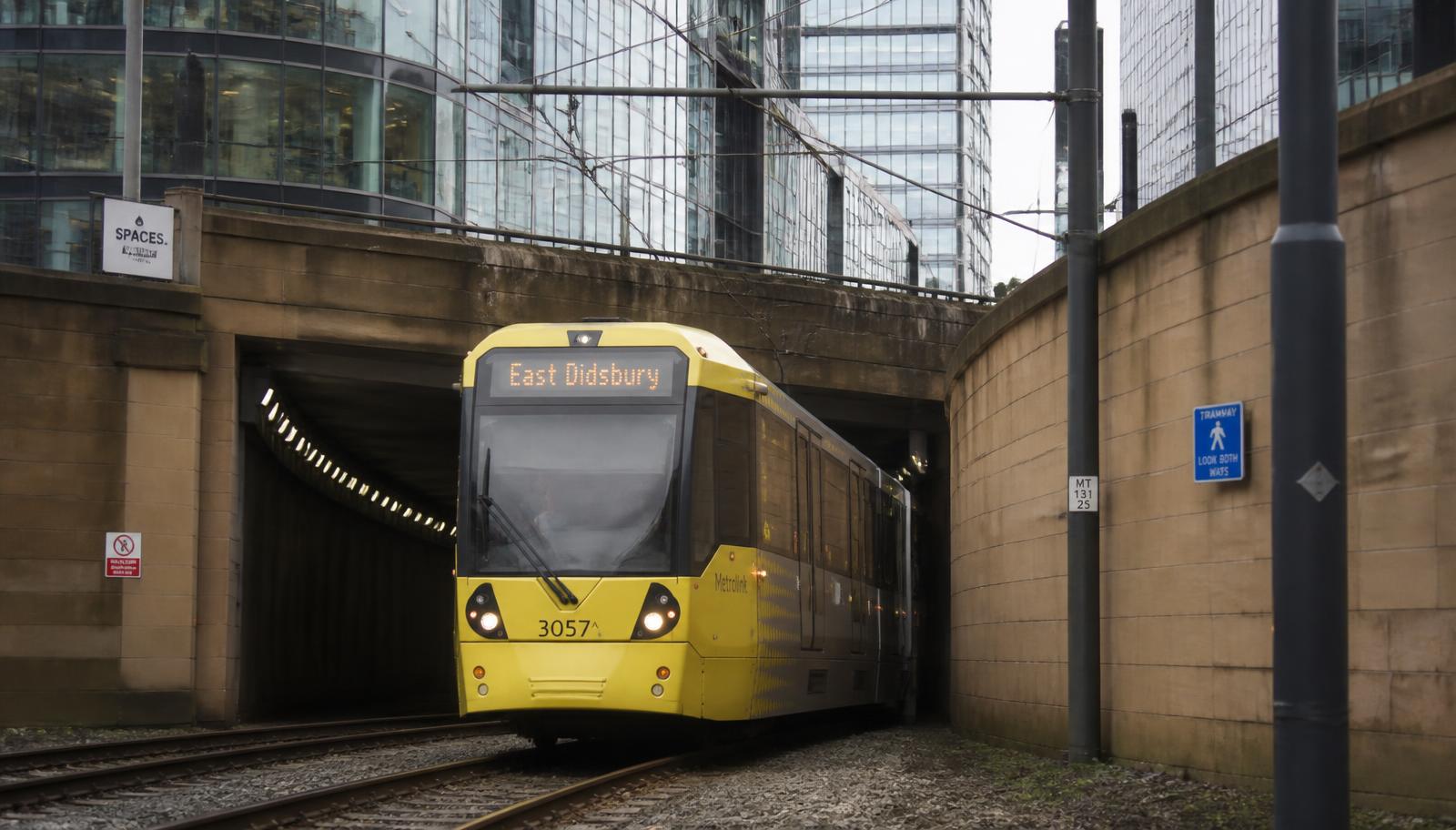
Plans for a London Underground-style network beneath Greater Manchester have moved from ambition to timetable. Mayor Bev Craig has backed the scheme, describing a tunnelled metro as the only realistic option for a city region whose surface transport is filling up, with 2050 named as a potential opening date.
The scale is significant. Transport for Greater Manchester's working timeline points to detailed plans and a business case by around 2030, construction starting near 2040 and services running by 2050. The cost would run into tens of billions of pounds and depends on sustained government backing.
What is happening now
This is not a sketch on a napkin. TfGM has already committed more than £300,000 to early feasibility and demand studies, and preparatory work includes geological route proving to identify what sits in the way of any future tunnel alignment beneath the regional centre.
A separate but connected argument is being made for an underground railway station at Manchester Piccadilly. City leaders see that station as the essential first step, both for the £45bn Northern Powerhouse Rail scheme and for any wider metro network that follows.
Why capacity is the driver
Greater Manchester is one of the fastest growing city regions in the country. Metrolink, the heavy rail network and the road system all converge on the same constrained centre, and transport planners have been clear that tunnelled options are likely to be needed before surface infrastructure becomes a brake on growth rather than a support for it.
Moving journeys below ground releases capacity above it: faster trips to the busiest destinations, more frequent services and less pressure on corridors that are already at their limits at peak times.
The workforce question behind the tunnels
Every metro scheme is described in tunnels, rolling stock and signalling, and delivered by people. A network on this scale would need drivers, controllers, maintenance technicians, signalling and telecoms specialists and station staff, recruited and trained in numbers the region has not had to plan for before.
That pipeline has to be built well ahead of opening day. Construction alone would absorb years of engineering and technician capacity, while operational recruitment and safety-critical assessment ramps up in parallel with testing and commissioning.
For the rail industry it raises familiar questions with a larger answer required:
- Where do the drivers come from, and how are they assessed fairly and consistently at volume?
- How do apprenticeships in rail engineering and infrastructure scale to meet a decades-long programme?
- How do employers keep assessment quality steady when hiring numbers rise sharply?
What this means for candidates and employers
For candidates, the message is that rail careers in the North West are likely to grow, not shrink, over the next two decades. Anyone considering train driving or a rail engineering apprenticeship is looking at a sector with a long-term investment case behind it.
For employers and training providers, workforce planning for schemes of this length starts far earlier than construction. Recruitment standards, psychometric assessment and apprenticeship capacity all need to be in place before the demand arrives, not after it.
Railway Competence Group works with train operators, freight operators and providers on train driver psychometric testing aligned to industry standards, and on end-point assessment for rail apprenticeships. If a scheme of this scale proceeds, that assessment capacity becomes part of the infrastructure story.
Where it goes next
Nothing is funded for construction yet. The next milestones are the feasibility and demand work, the case for an underground station at Piccadilly, and a business case that a future government would need to support. A 2050 opening leaves a long runway, but on projects of this size the early decisions shape everything that follows.
Reported by the Local Democracy Reporting Service and covered by BBC News and Business Live. This article is Railway Competence Group's own summary and commentary.