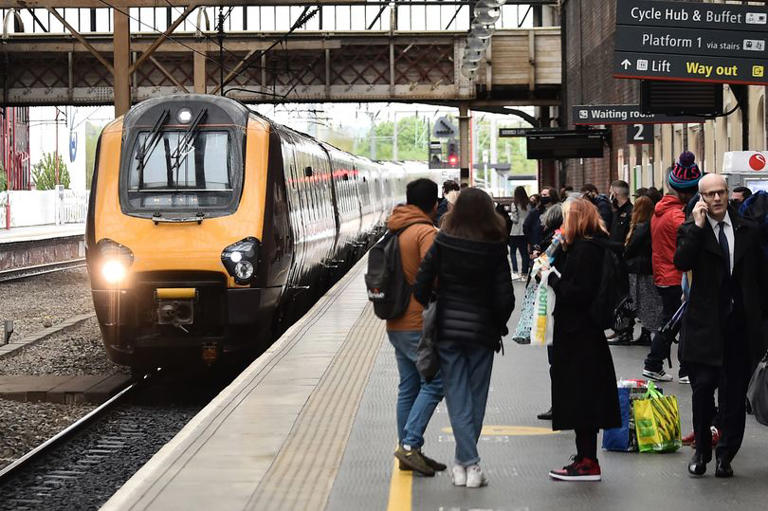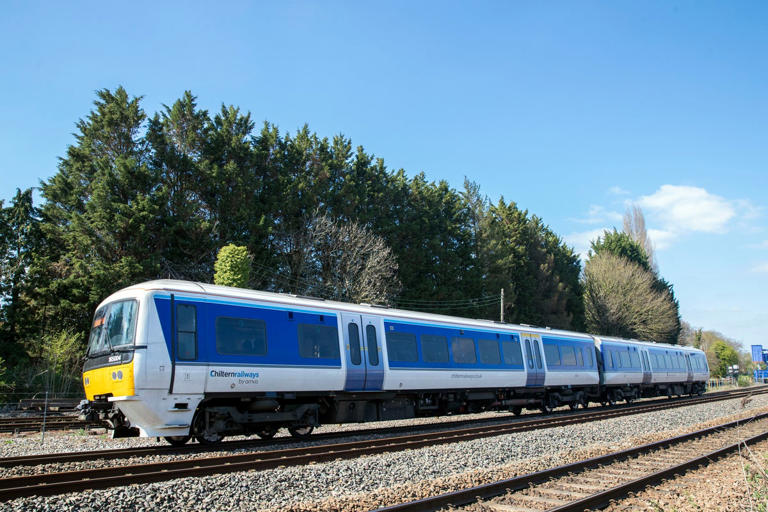
ORR rejects new West Coast Main Line open access bids over capacity and performance
The Office of Rail and Road has turned down Lumo's Rochdale and WSMR's Wrexham applications for London Euston services, and approved just one extra Avanti West Coast train from Chester.

Railway Competence Group
Ofqual-regulated awarding organisation (RN6118) and Rail assessment specialist
On 8 October 2026 the Office of Rail and Road (ORR) published its decision on three applications for extra passenger services on the southern section of the West Coast Main Line (WCML) into London Euston.
What was decided
- Lumo NW (First Rail Stirling) — rejected in full. It had asked for four return trains a day between Rochdale and London Euston on a 10-year contract.
- Wrexham, Shropshire & Midlands Railway (WSMR) — rejected in full. It had asked for four return trains a day between Wrexham General and London Euston on a 6.5-year contract.
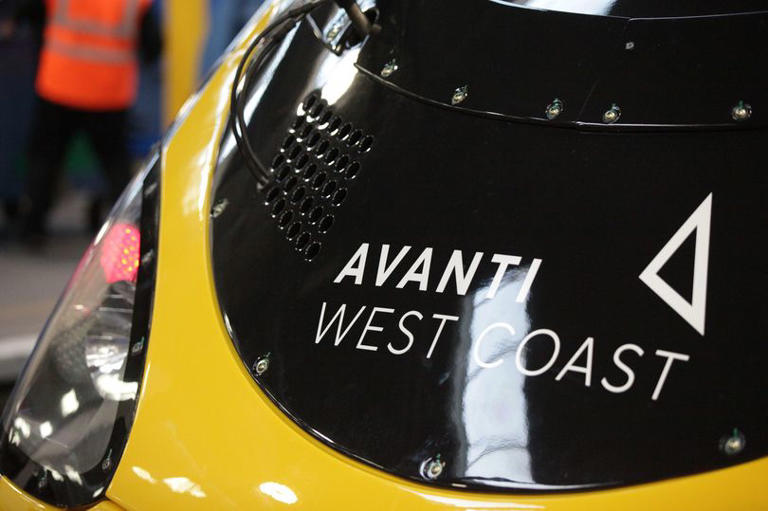
- Avanti West Coast — one extra weekday service from Chester to London Euston approved as a contingent right. The rest of its application, including new Blackpool North services, was rejected.
Why the applications were turned down
ORR concluded there is not enough capacity on the WCML South, and that adding more trains now would harm performance for everyone using the line, passengers and freight alike.
The current timetable relies on "firebreaks": deliberate gaps that let services recover when things go wrong. The new services would have used those gaps. ORR's own external analysis found this would put more trains at or near the minimum planned separation, leaving less recovery time and making disruption more likely. Network Rail objected to all three applications, highlighting pressure points at Euston, Watford Junction, Milton Keynes Central, Rugby and Nuneaton.
ORR also noted that punctuality on the WCML South has continued to decline since its last decisions on the route in July 2025.
Why the Chester train was approved
The Chester service is already in the timetable as an empty train (empty coaching stock). Because it uses the same capacity whatever ORR decides, running it with passengers on board is unlikely to make performance noticeably worse.
Open access and what comes next
ORR says it remains supportive of open access in principle, where capacity allows, because competition can bring better routes, fares and service quality. Industry is looking at a major recast of the WCML timetable, but that work is not yet far enough along to show whether it could free up more capacity.
What this means for rail careers
Decisions like this shape where and how quickly new operators can grow, and with it demand for newly qualified train drivers and on-board staff. If you are preparing for a train driver role, our psychometric testing page explains how assessments work and how to book.