Rail Foundation Apprenticeship (FA0010) approved for delivery
Skills England has approved the level 2 Rail Foundation Apprenticeship, an 8-month paid route into train driving, station, control and scheduling roles.

Railway Competence Group
Ofqual-regulated awarding organisation (RN6118) and Rail assessment specialist
Skills England has approved the new Rail Foundation Apprenticeship (FA0010) for delivery. The level 2 programme was approved on 19 October 2026 and gives young people a paid, employed route into operational roles across the railway.
Key facts
- Reference: FA0010, version 1.0
- Level: 2
- Typical duration to gateway: 8 months
- Minimum hours: 187 hours
- Maximum funding: £4,000
- Route: Transport and logistics
- External quality assurance: Ofqual
Under the Department for Education apprenticeship funding rules for 2025/26, employers can also receive up to £2,000 for each foundation apprentice, subject to retention and progression.
Who it is for
Foundation apprenticeships are employed positions for younger people who will benefit from a wide range of experiences. There are no formal entry requirements, other than any age limits needed for health and safety.
Apprentices gain hands-on experience across stations, depots, control and signalling centres, offices and other operational sites, working alongside experienced rail staff. Alongside the practical work, they complete off-the-job learning and English and maths.
Which roles it leads to
The standard is mapped to six rail occupations:
- Train driver (ST0645)
- Passenger transport operative: dispatch (ST0339)
- Passenger transport operative: onboard or station (ST0339)
- Passenger transport operative: ticketing (ST0339)
- Rail infrastructure operator (ST1378)
- Transport scheduler (ST1438)
Typical progression is into employment or onto a further level 2 or level 3 apprenticeship, such as Train Driver or Passenger Transport Operative.
What apprentices learn
The technical knowledge covers rail safety and PPE, safe systems of work, customer needs, safety-critical communication, railway roles and terminology, security, timetables and how disruption is managed.
The skills include using structured safety-critical communication (radios, hand signals and the phonetic alphabet), assisting customers including those with additional needs, handling conflict under supervision, spotting and escalating hazards, supporting emergency responses and keeping accurate records and handovers.
How it is assessed
Assessment is shorter and more flexible than a full end-point assessment. Apprentices can be assessed at points throughout the programme, and the assessment must include a practical element. Results are Pass only, and there are three assessment outcomes:
- AO1: Health, safety, security and ethical working in rail environments. This is set and marked by the assessment organisation, and should happen early where it is needed to access the workplace.
- AO2: Railway operations and customer support.
- AO3: Communication and teamwork.
Employability skills and behaviours are not formally assessed, but the assessment organisation must confirm with the employer that they have been shown before the foundation apprenticeship is awarded.
What this means for employers
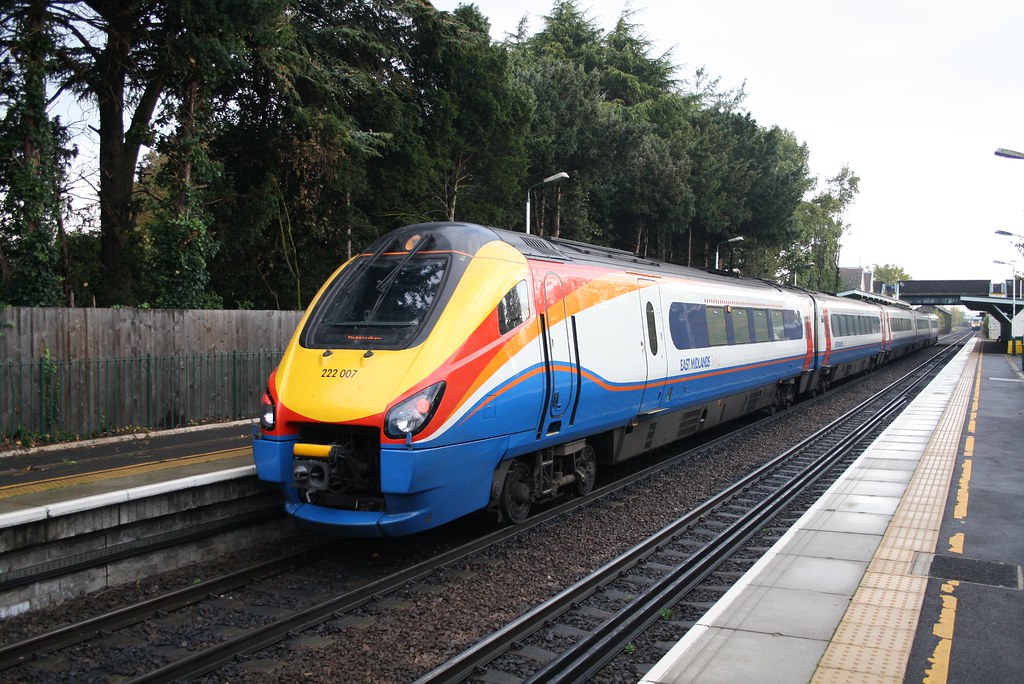
The Rail Foundation Apprenticeship gives operators a way to bring new recruits into the industry and see them in a real workplace before they move onto a specialist pathway. It follows East Midlands Railway's plans to pilot a GBR Rail Foundation Apprenticeship from January 2027.
Full details are on the Skills England website. To find out about RCG's independent end-point assessment for the standards apprentices can progress to, visit our apprenticeship assessment page or browse the standards we assess.